The Site Snaps AZ Weekly Newsletter
Less Is More: Choosing What Carries the Story
Every project represents an enormous amount of work.
Months of coordination. Countless decisions. Spaces that demand focus just to function. All of it matters. It’s the reason the project exists.
But when it’s time to document the work, not every space carries the same weight.
Some spaces are essential. Others are defining.
Strong project photography isn’t about covering every room. It’s about showing what communicates the project most clearly—once the drawings are rolled up and the site is turned over.
And that doesn’t require a huge production.
It just takes knowing where to focus.
In most projects, the spaces that require the most coordination are also the most repeatable—exam rooms, offices, back-of-house areas. They’re critical and well executed, but they rarely define one project from another. That doesn’t diminish their importance. It just changes their role in the story.
Photography works with attention. And attention naturally gravitates toward the moments where intent is most visible—where materials, light, and proportion shape how the building is experienced.
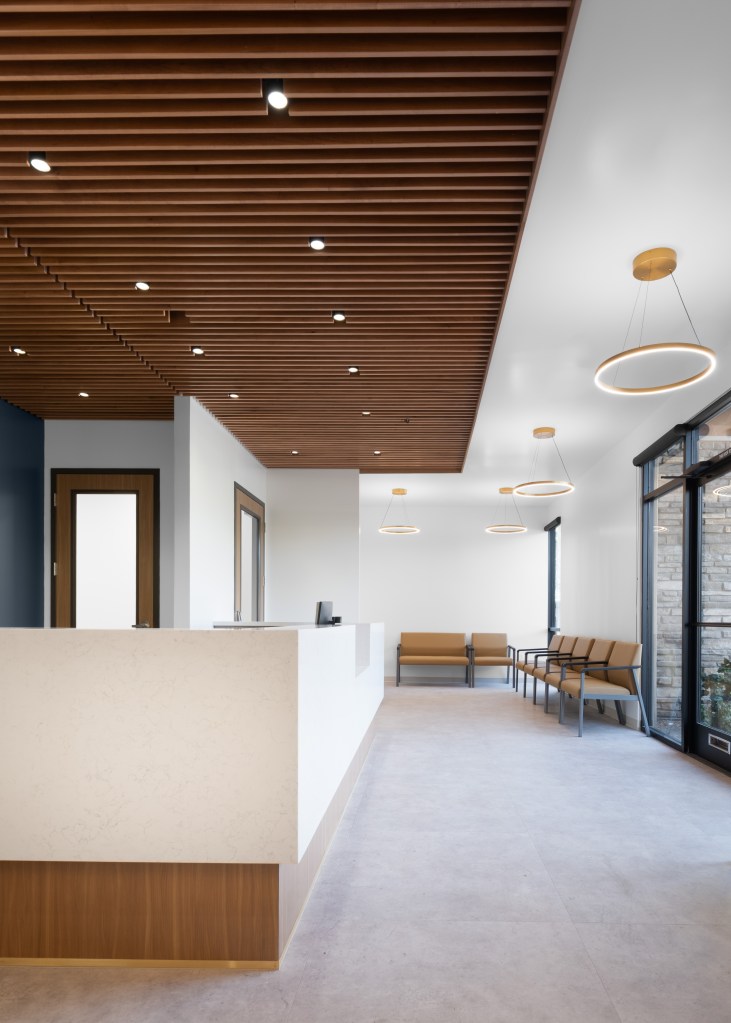
In this project, those moments lived in the public-facing spaces:
where first impressions form,
where materials are felt up close,
where rhythm and proportion set the tone.
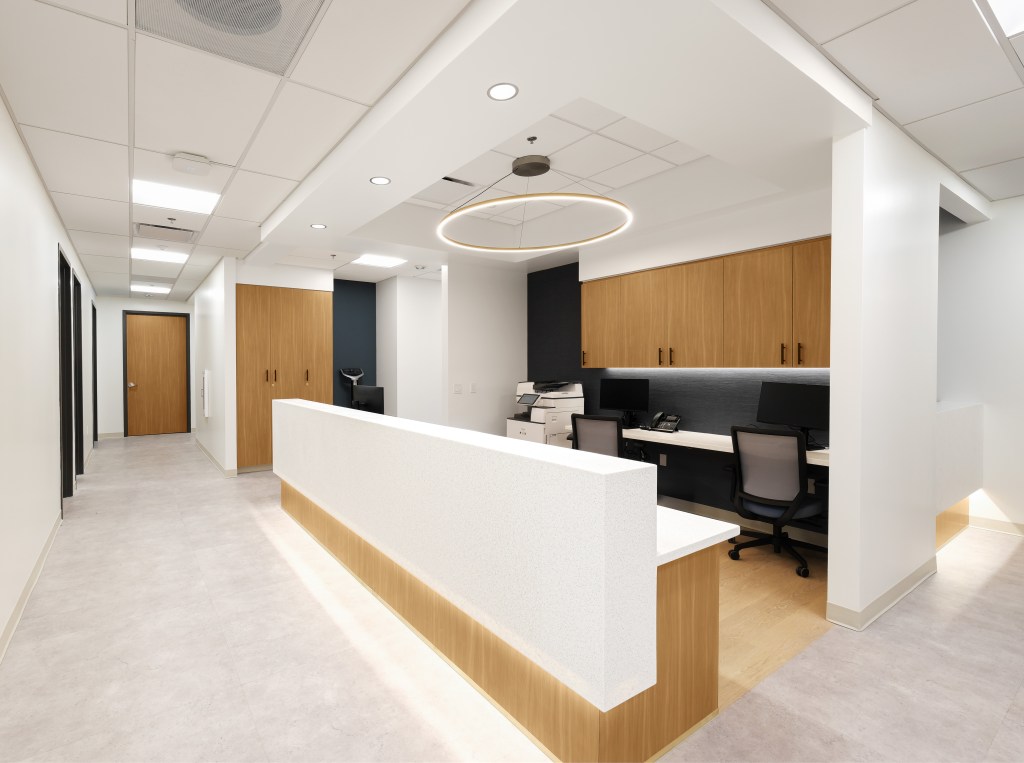
These spaces show how the building was approached, not just what it contains.
They communicate care and restraint in a way repetition can’t.
A single well-composed image of a defining space can do more to represent a project than dozens that try to show everything.
The goal of thoughtful documentation isn’t to prove how much work happened—it’s to represent the work clearly and confidently. And that often means keeping things simple.
What will someone notice first?
What will they remember later?
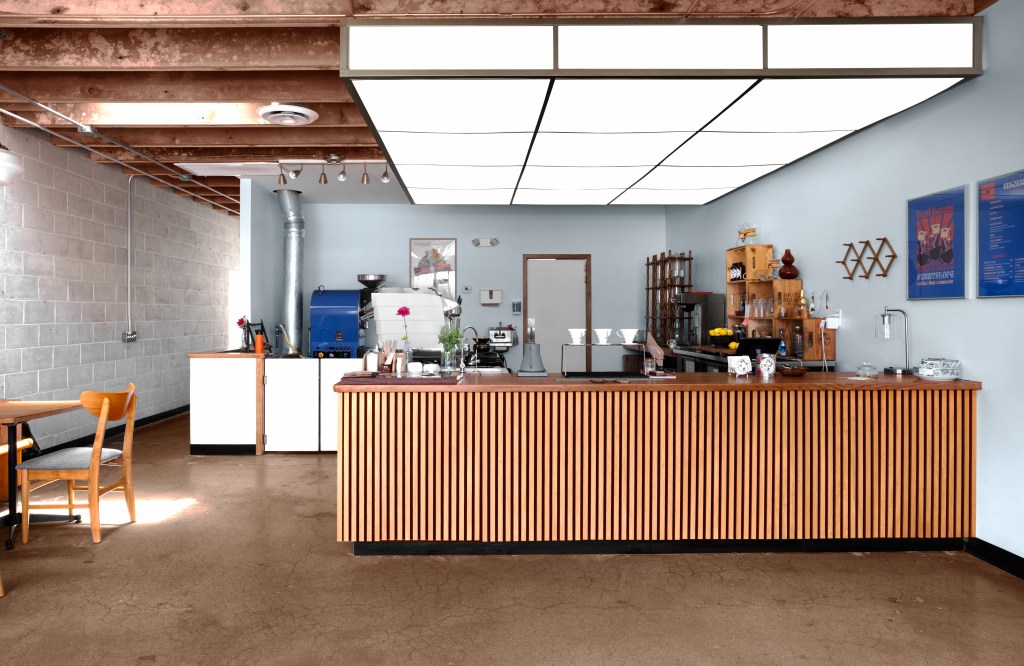
Starting with what carries meaning keeps the story clear. It gives the viewer a way in, without excess or over-explaining.
A strong photo set doesn’t need to be long or elaborate.
It usually starts with one confident frame, and a few supporting images that hold the tone.
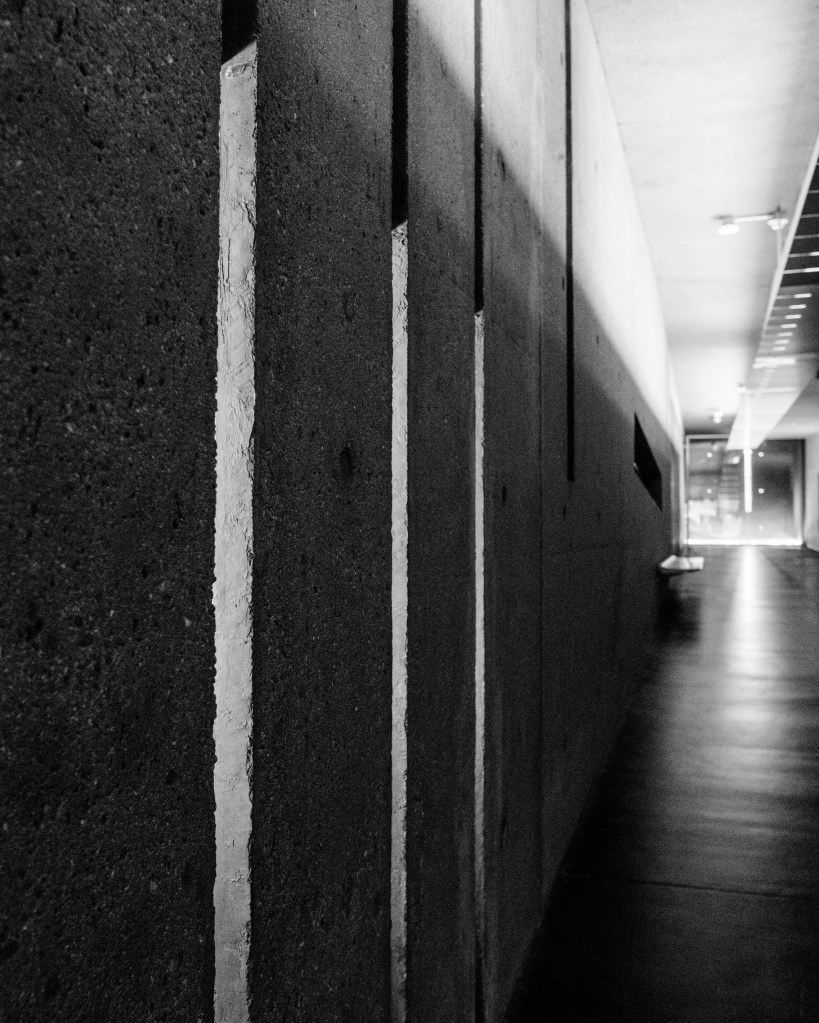
A tight detail, a junction in good light, a surface at human scale.
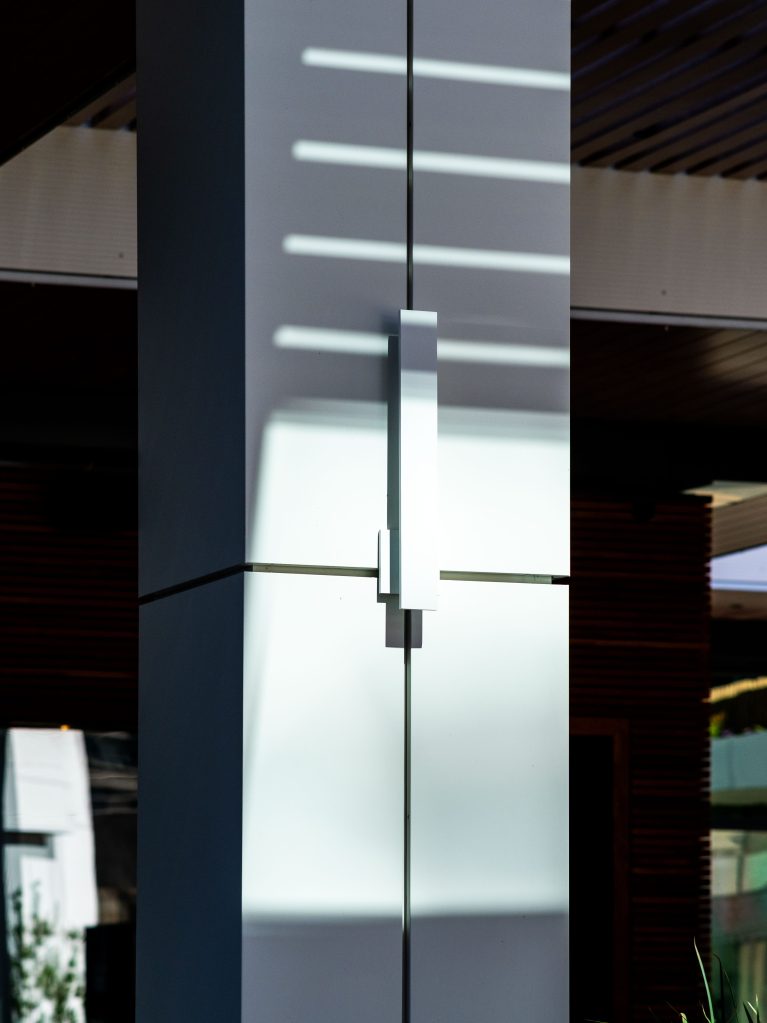
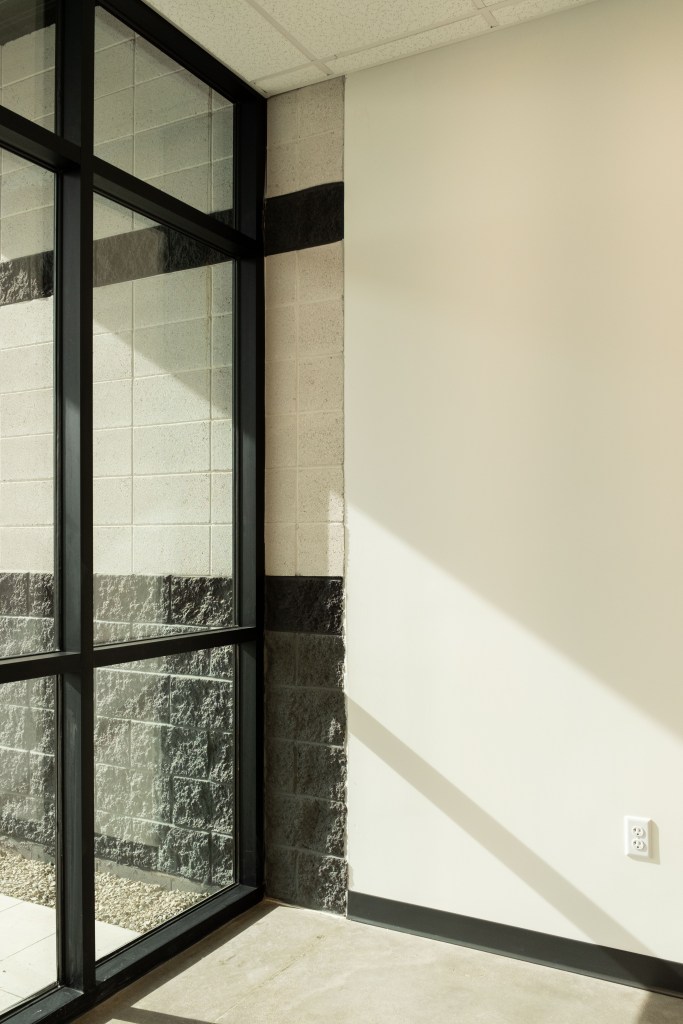

Used well, those images function almost like a material board at the end of a project—quiet proof of what was delivered.
Not every space needs to speak at the same volume.
The best documentation respects the effort behind every square foot while recognizing that some moments carry more weight than others.
Choosing where to place emphasis is part of telling the story well.
And often, it doesn’t take much.
Sometimes, saying less allows the work that matters most to say more.
You don’t need a hundred photos to tell the story well. Just the right few, in the right light. If that sounds like your pace, I’m easy to reach.
Email me at taylorg@sitesnapsaz.com

The Best Builders Undersell Their Quality — and How Photos Fix That
Builders have a lot to say about their work.
They talk about schedule, coordination, sequencing, materials, and the decisions made early so problems don’t show up late. They talk about what went wrong, what went right, and what they’d do differently next time.
What they don’t always talk about is quality.
Not because it isn’t there — but because, at a certain level, quality feels like a given. When your standards are consistent, it’s easy to forget how quickly quality can slip under the wrong supervision. You stop noticing what separates careful work from passable work because your baseline is already high.
That assumption makes sense on a jobsite. Among experienced teams, quality is visible — in how layouts align, transitions meet, and problems are avoided instead of corrected. You don’t have to point it out. It’s evident.
Most people never see the work that way.
Once a project is reduced to a handful of photos, many of those signals disappear. And when they do, quality stops being a fact and starts being an assumption.
This is how good builders undersell their work without realizing it.
They document completion, not execution.
They show results, not control.
They assume the difference will be obvious.
Often, it isn’t.
Finished spaces tend to look similar: straight walls, clean floors, the job “done.”
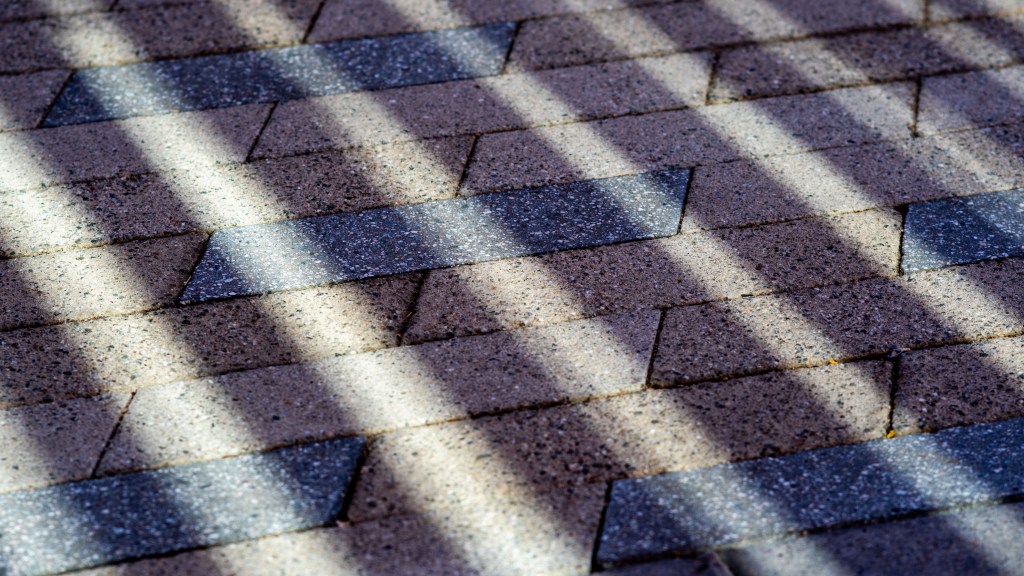
What separates a disciplined build from an average one lives in smaller, quieter details — alignment, spacing, sequencing, restraint.
Those things are instantly legible to builders — but only if the photos allow them to be seen.
When images flatten scale or skip process, the work can look more ordinary than it is. Not because it is ordinary, but because the evidence of care never makes it into the frame.
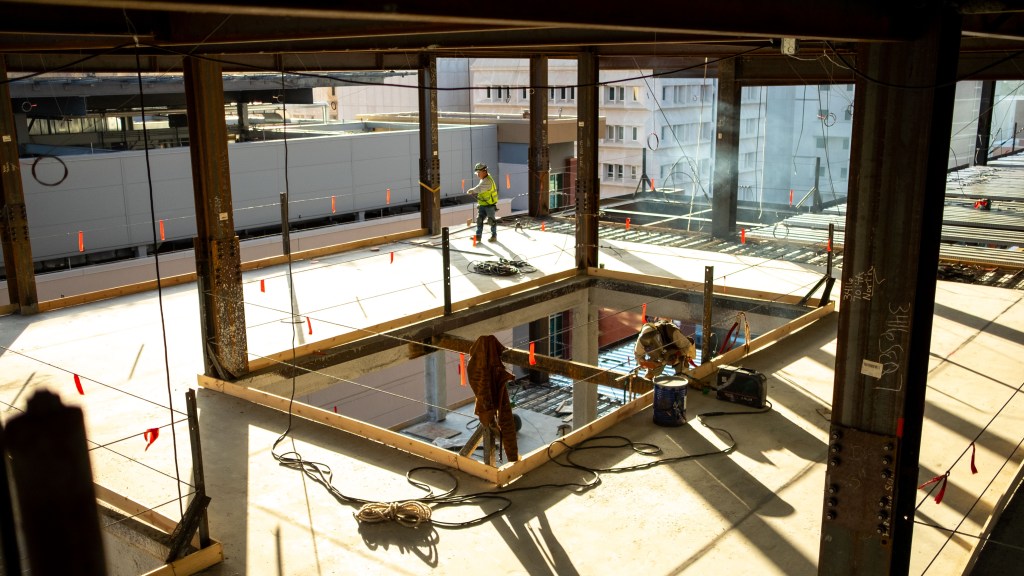
This isn’t a marketing problem. It’s a translation problem.
Good project photos don’t embellish. They make quality legible — showing order during messy phases, tight tolerances in tight spaces, and decisions made early instead of patched later.
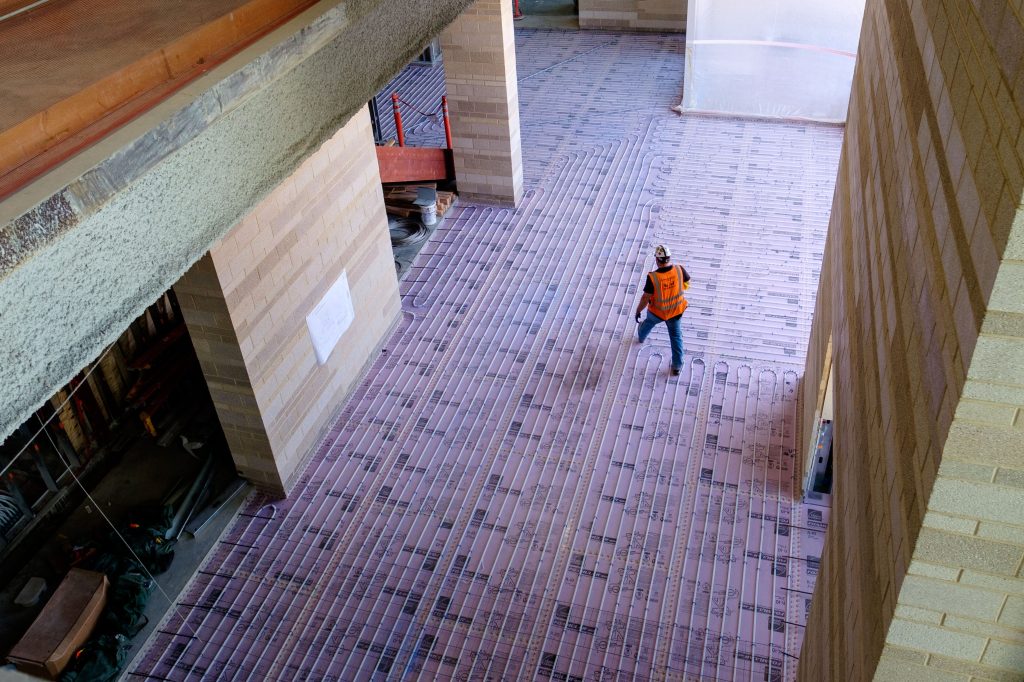
To the builder, that’s just how the job gets done.
To everyone else, that’s the proof.
Owners, partners, and collaborators weren’t on site. They form impressions from what they can see.
If photos show only that the project was finished, quality is taken on faith.
If they show how the work was handled, quality becomes a fact.
Good photos don’t claim quality on your behalf.
They simply make sure it doesn’t get taken for granted.
If your work speaks quietly, it’s time to let my photos turn up the volume.
Email me at taylorg@sitesnapsaz.com.
When Every Project Reinforces the Same Standard
Why a Unified Visual Language Matters in Commercial Construction
A single great project can open doors.
A consistent body of work builds confidence.
When owners, developers, or selection committees review a contractor’s portfolio, they aren’t just looking at one building at a time. They’re asking a broader question, often subconsciously:
Is this the level of quality I can expect every time?
That question isn’t answered by any single image. It’s answered by how projects relate to one another.
This is where a unified visual language matters.
Consistency Signals Process, Not Luck
Strong construction portfolios don’t feel accidental. They feel repeatable.
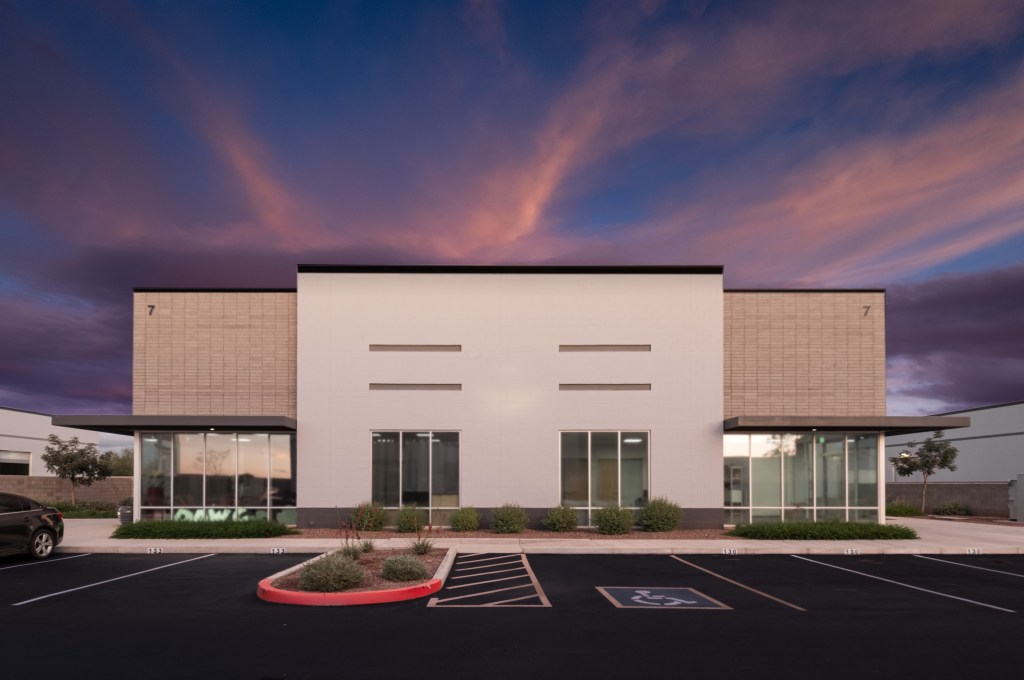
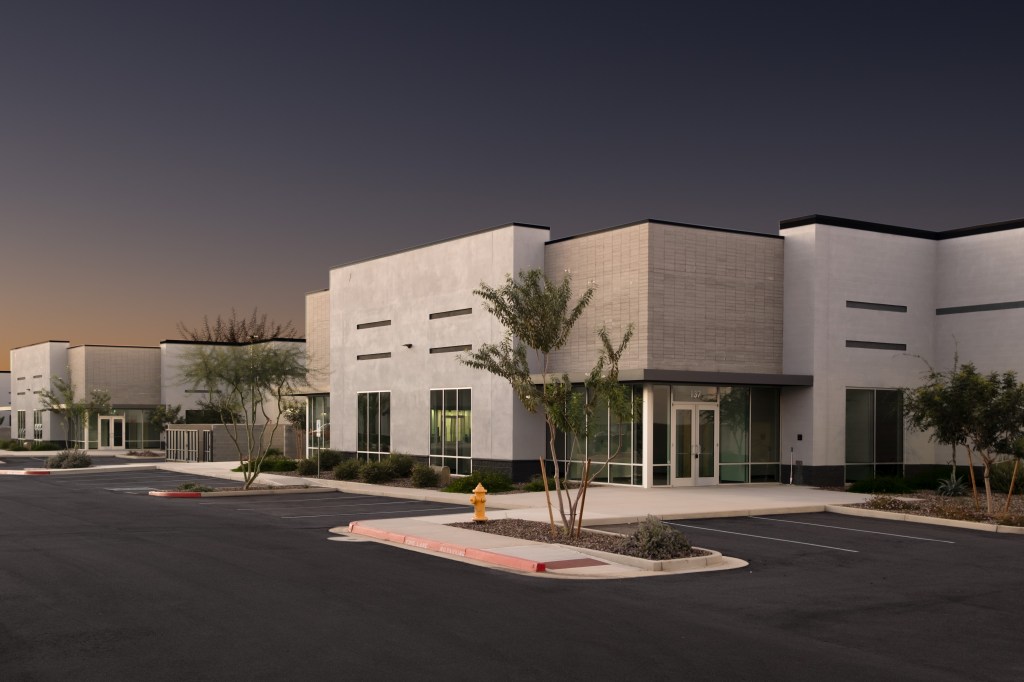
When exterior angles, lighting conditions, color tone, and framing choices align across projects, it sends a subtle but powerful message:
this team has a standard, and they hit it consistently.
That perception matters because consistency implies:
- reliable execution
- predictable outcomes
- fewer surprises
In other words, it mirrors exactly what clients want from a contractor.
A Unified Look Builds Trust Across Projects
Most portfolios are viewed quickly. People scroll, skim, and compare.
When every project feels visually disconnected—different color casts, dramatic skies mixed with flat light, inconsistent compositions—it forces the viewer to recalibrate with each image. That creates friction.
A unified visual language removes that friction. It allows the viewer to focus on the work itself, not the presentation.
When projects feel cohesive:
- the brand feels intentional
- the quality feels stable
- the story feels believable
Consistency Strengthens Marketing and Business Development
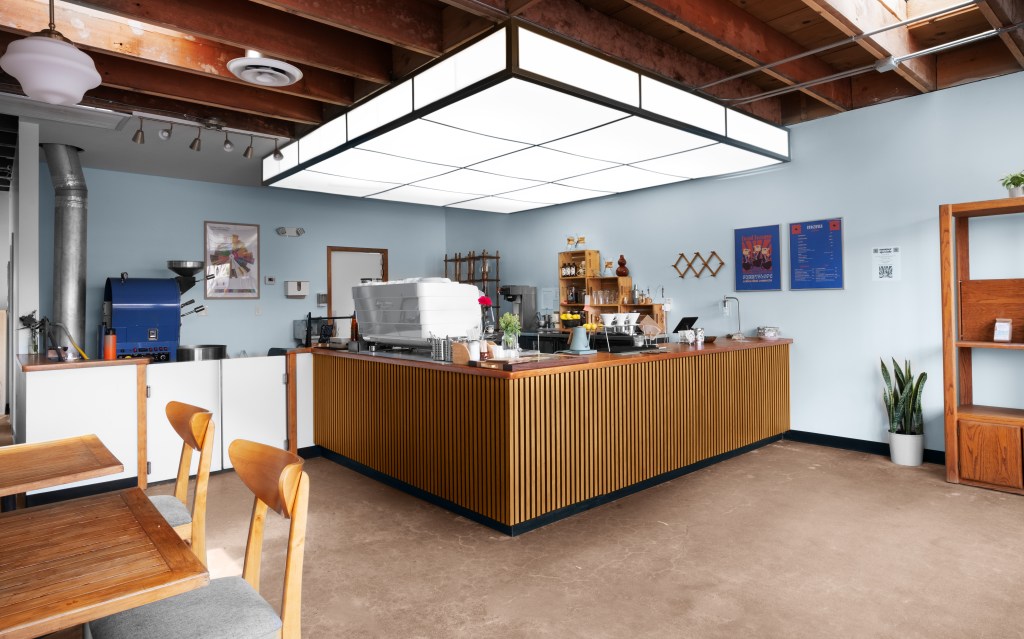
Marketing teams don’t just need strong images—they need images that work together.
A unified visual style makes it easier to:
- assemble proposals and RFQs quickly
- update websites without redesigning layouts
- create presentations that feel polished and confident
Instead of hunting for “the good ones,” teams can pull almost any image and trust it will fit.
That efficiency has real value long after project turnover.
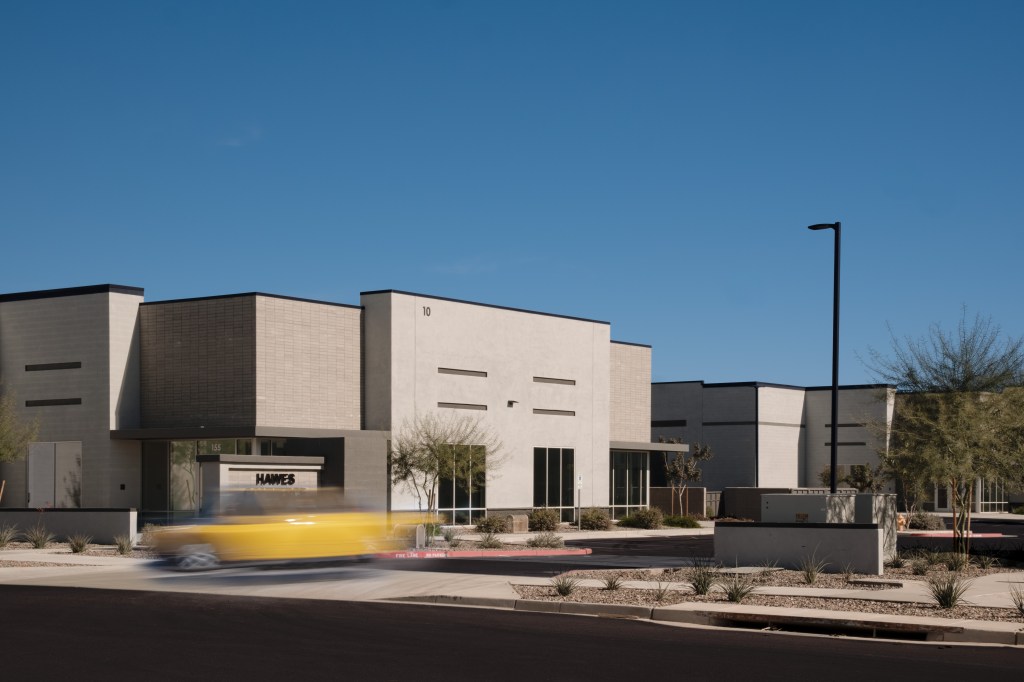
The Goal Isn’t Uniformity — It’s Reinforcement
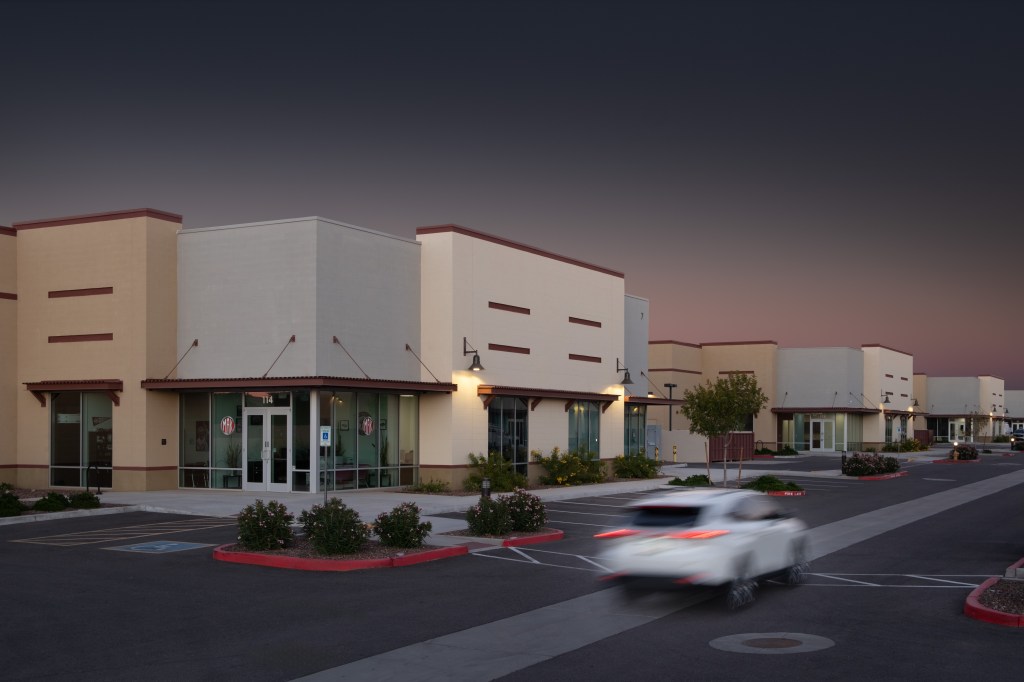
This isn’t about making every building look the same.
It’s about making every project reinforce the same standard of care.
When lighting, composition, and color treatment are handled consistently, the differences between projects stand out for the right reasons: scale, materiality, design intent—not visual noise.
Over time, that repetition builds recognition. Viewers may not remember every project, but they remember the feeling: this team delivers quality work.
Closing Thoughts
Great construction work deserves clear, consistent documentation.
When your photography reinforces the same standard from project to project, you aren’t just showing what you’ve built—you’re showing what clients can expect next.
If you want your portfolio to tell that story clearly and consistently, that’s where thoughtful project photography makes the difference.
👉 If you’re planning upcoming project documentation and want your work presented with the same standard every time, reach out at taylor@sitesnaps.com.
The Small Details That Prove the Quality of Your Build
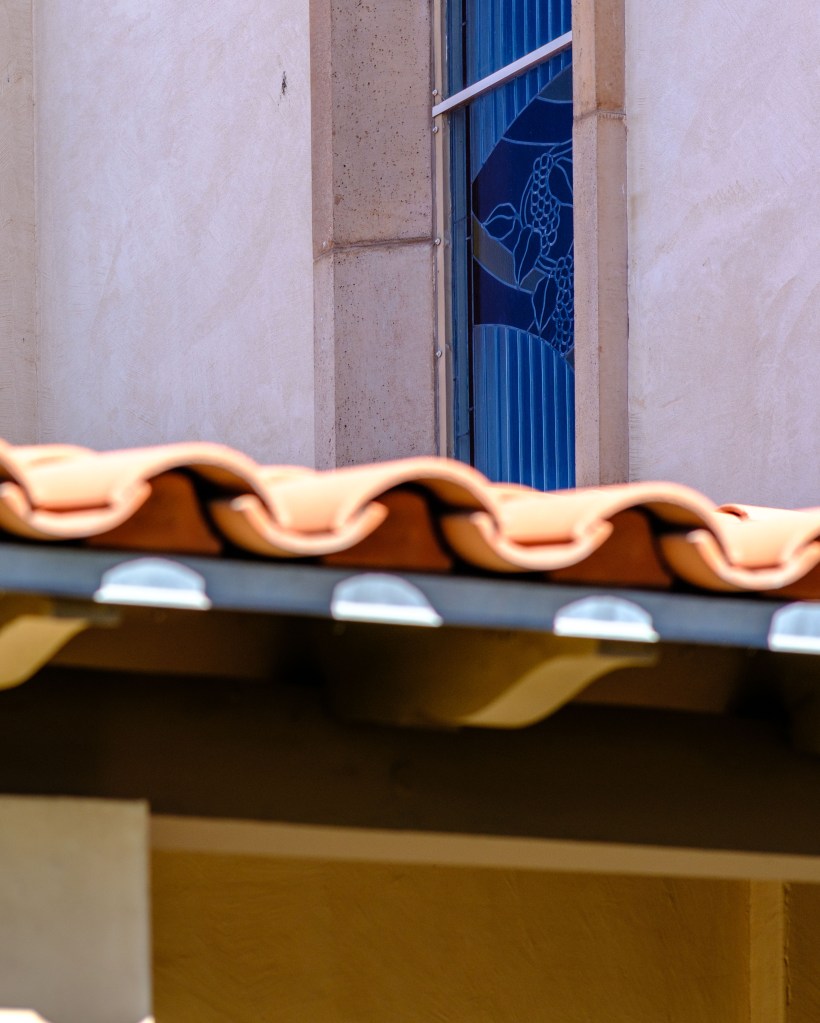
Anyone can show a finished space. Not everyone can show the craftsmanship that made it worth building.
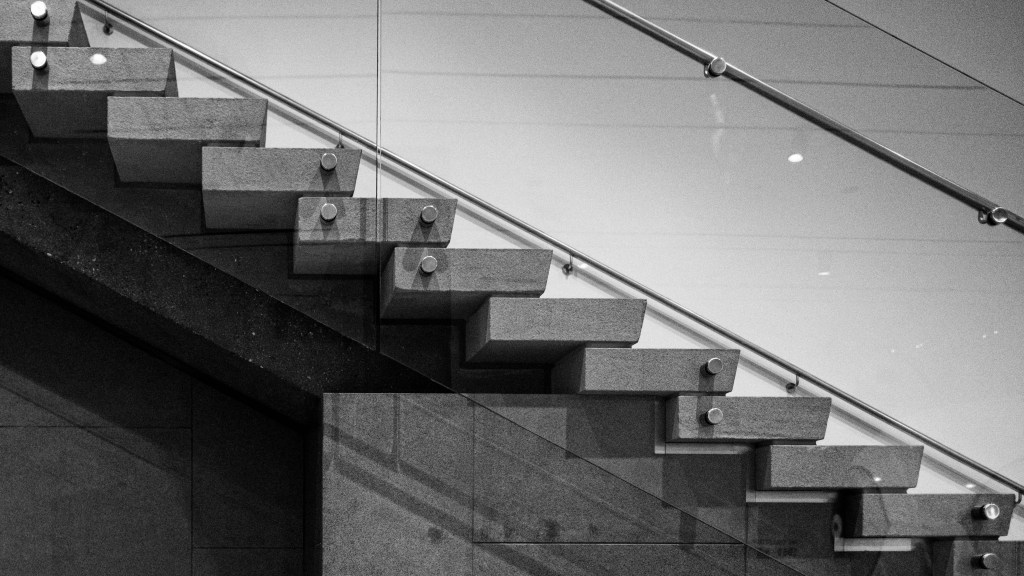
The small details on a project—clean transitions, aligned edges, thoughtful material choices, the places where designers and builders meet in the middle—are often where your team’s standards become visible. These moments don’t always jump out in a wide shot, but they absolutely stand out to clients reviewing portfolios, proposals, and award submissions.
Detail photography is what turns those quiet decisions into proof of quality. It shows the pride your team brings to the work and helps future clients understand what sets your projects apart.
Here’s why those small moments matter so much.

Make Quality Obvious
Owners, developers, and selection committees may not speak in technical terms, but they instantly recognize precision. A well-crafted detail image shows:
• clean lines
• consistent finishes
• intentional material junctions
• workmanship that holds up under close inspection
A single clear detail shot can communicate “quality build” faster than a paragraph of text ever could.
Strengthen Award Submissions and RFQs
Wide photos create context.
Detail photos create credibility.
Award juries and procurement teams review hundreds of images. A sharp detail shot interrupts the scroll and pulls them in. It proves your team didn’t just deliver a finished space—you delivered thoughtful, high-standard work at every scale.
Showing craft is one of the easiest ways to stand out in a competitive package.
Honor the Design Intent
Architects and designers obsess over how materials meet, where a pattern turns a corner, how light hits texture, and what a space should feel like. When you document these moments well, you show that your team not only built the project correctly—you respected the vision behind it.
Detail photography makes the design–build partnership visible. It shows alignment, communication, and trust.
Complete the Story of th Project
Wide shots show the scope.
Detail shots show the skill.
Together, they give you a well-rounded portfolio that reflects the real work done on-site. They also help sales teams, executives, and marketing leads speak confidently about the project long after turnover.
Good detail photography closes the loop. It captures what your team brings that not every builder does: pride, precision, and craft.
👉 If you want to showcase the quality behind your next build—not just the space itself—I’m here to help. Reach out to taylor@sitesnaps.com
 Site Snaps AZ