Every project represents an enormous amount of work.
Months of coordination. Countless decisions. Spaces that demand focus just to function. All of it matters. It’s the reason the project exists.
But when it’s time to document the work, not every space carries the same weight.
Some spaces are essential. Others are defining.
Strong project photography isn’t about covering every room. It’s about showing what communicates the project most clearly—once the drawings are rolled up and the site is turned over.
And that doesn’t require a huge production.
It just takes knowing where to focus.
In most projects, the spaces that require the most coordination are also the most repeatable—exam rooms, offices, back-of-house areas. They’re critical and well executed, but they rarely define one project from another. That doesn’t diminish their importance. It just changes their role in the story.
Photography works with attention. And attention naturally gravitates toward the moments where intent is most visible—where materials, light, and proportion shape how the building is experienced.
In this project, those moments lived in the public-facing spaces:
where first impressions form,
where materials are felt up close,
where rhythm and proportion set the tone.
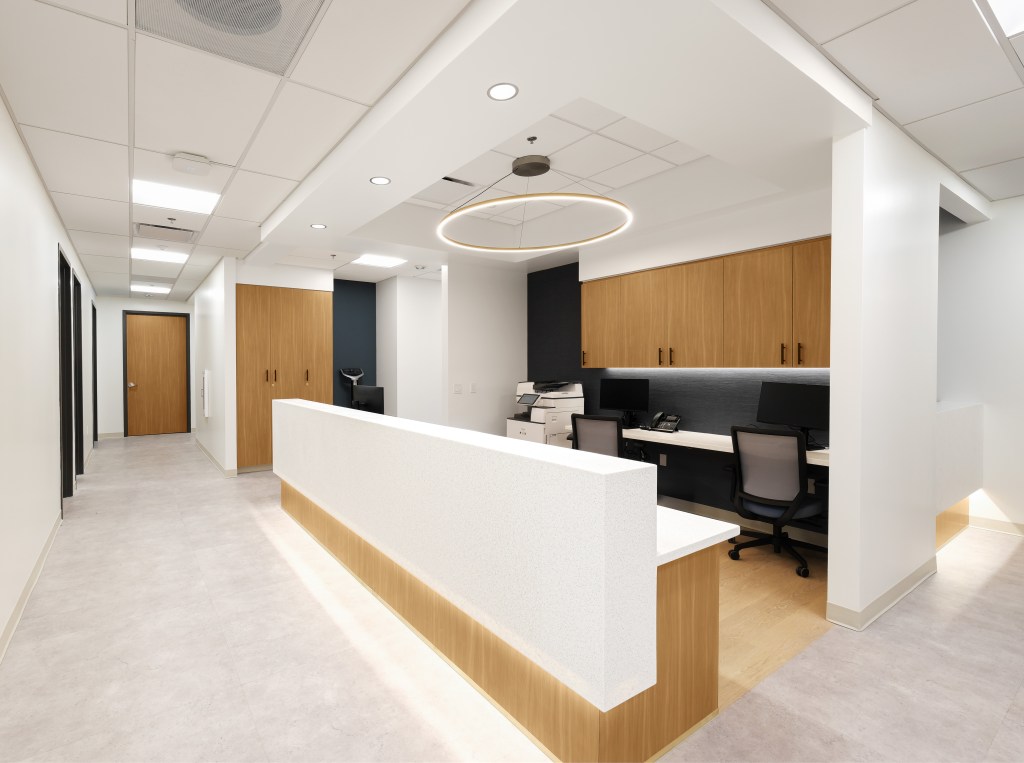
These spaces show how the building was approached, not just what it contains.
They communicate care and restraint in a way repetition can’t.
A single well-composed image of a defining space can do more to represent a project than dozens that try to show everything.
The goal of thoughtful documentation isn’t to prove how much work happened—it’s to represent the work clearly and confidently. And that often means keeping things simple.
What will someone notice first?
What will they remember later?
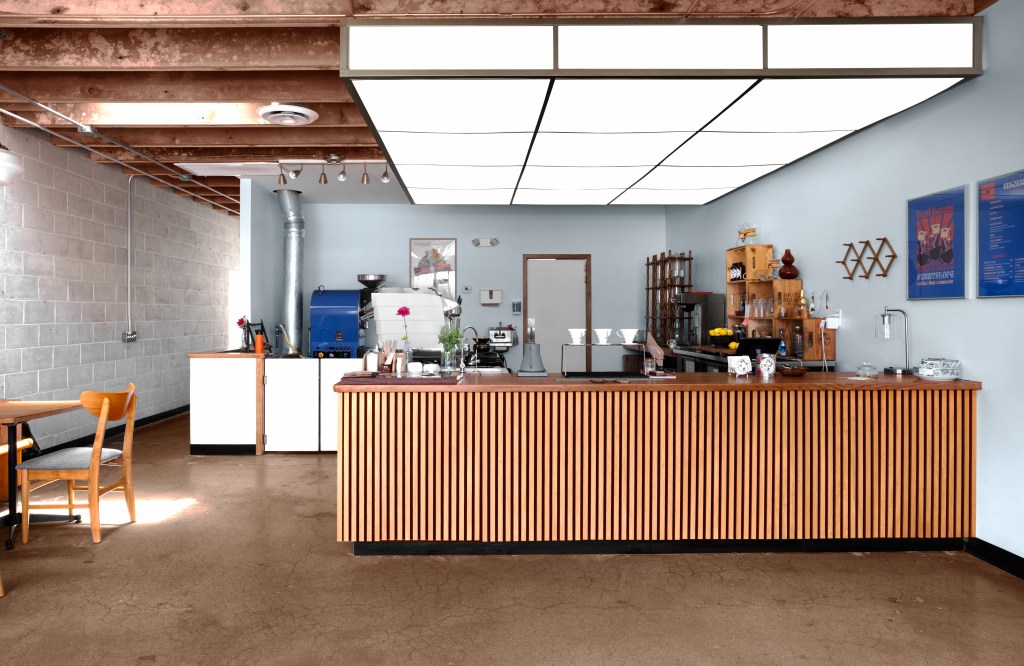
Starting with what carries meaning keeps the story clear. It gives the viewer a way in, without excess or over-explaining.
A strong photo set doesn’t need to be long or elaborate.
It usually starts with one confident frame, and a few supporting images that hold the tone.
A tight detail, a junction in good light, a surface at human scale.
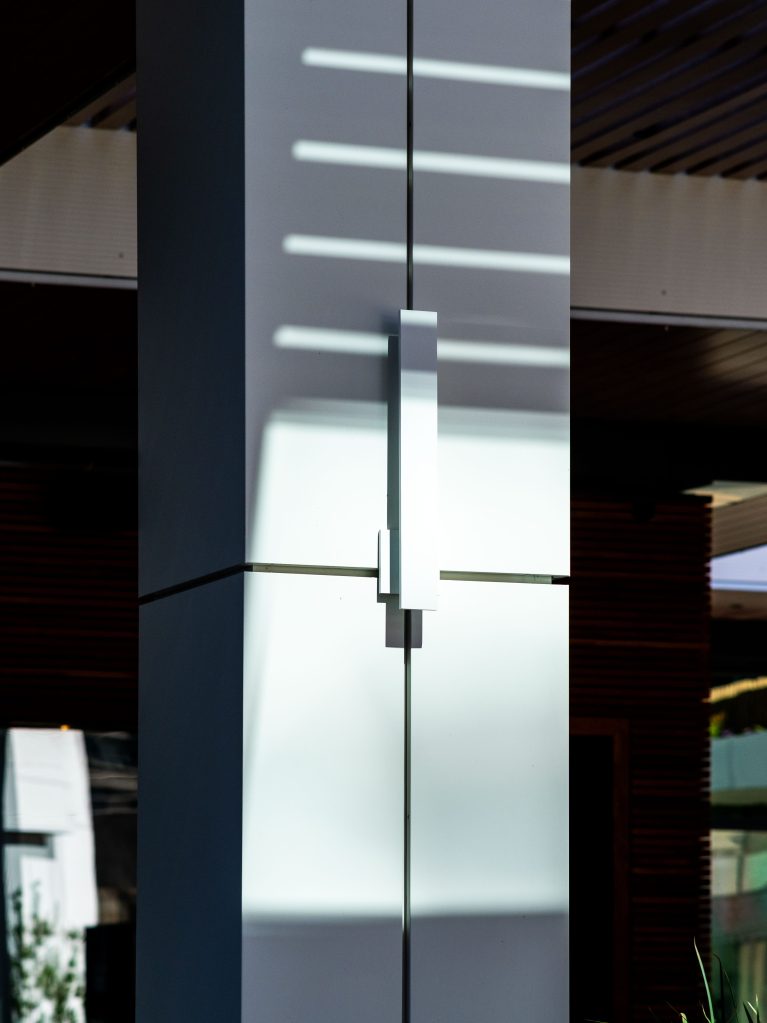
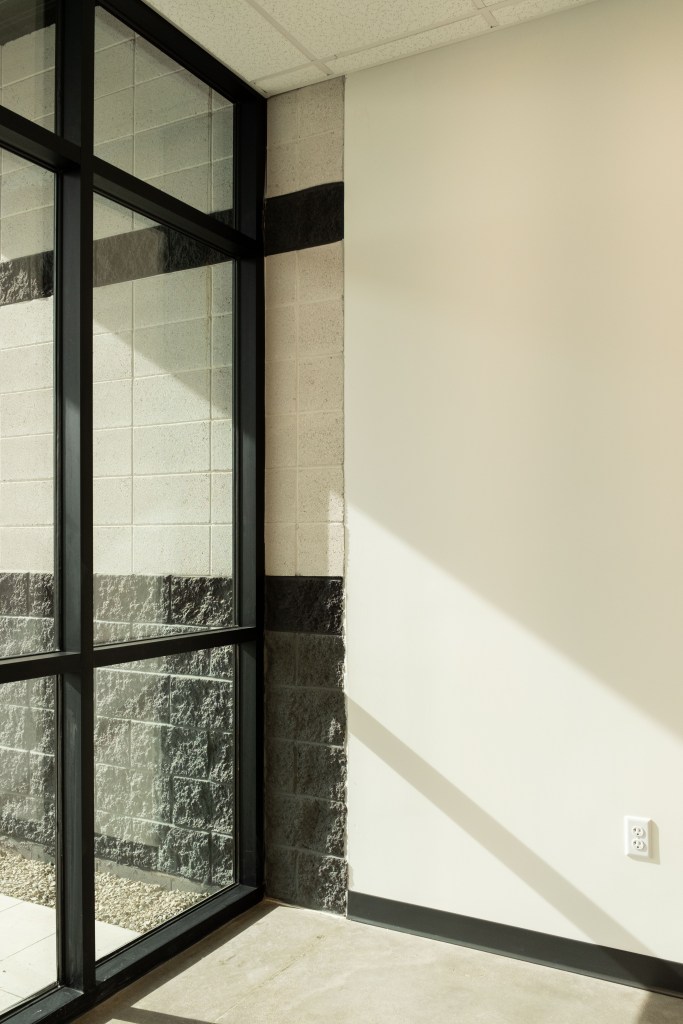

Used well, those images function almost like a material board at the end of a project—quiet proof of what was delivered.
Not every space needs to speak at the same volume.
The best documentation respects the effort behind every square foot while recognizing that some moments carry more weight than others.
Choosing where to place emphasis is part of telling the story well.
And often, it doesn’t take much.
Sometimes, saying less allows the work that matters most to say more.
You don’t need a hundred photos to tell the story well. Just the right few, in the right light. If that sounds like your pace, I’m easy to reach.
 Site Snaps AZ
Leave a comment