Builders have a lot to say about their work.
They talk about schedule, coordination, sequencing, materials, and the decisions made early so problems don’t show up late. They talk about what went wrong, what went right, and what they’d do differently next time.
What they don’t always talk about is quality.
Not because it isn’t there — but because, at a certain level, quality feels like a given. When your standards are consistent, it’s easy to forget how quickly quality can slip under the wrong supervision. You stop noticing what separates careful work from passable work because your baseline is already high.
That assumption makes sense on a jobsite. Among experienced teams, quality is visible — in how layouts align, transitions meet, and problems are avoided instead of corrected. You don’t have to point it out. It’s evident.
Most people never see the work that way.
Once a project is reduced to a handful of photos, many of those signals disappear. And when they do, quality stops being a fact and starts being an assumption.
This is how good builders undersell their work without realizing it.
They document completion, not execution.
They show results, not control.
They assume the difference will be obvious.
Often, it isn’t.
Finished spaces tend to look similar: straight walls, clean floors, the job “done.”
What separates a disciplined build from an average one lives in smaller, quieter details — alignment, spacing, sequencing, restraint.
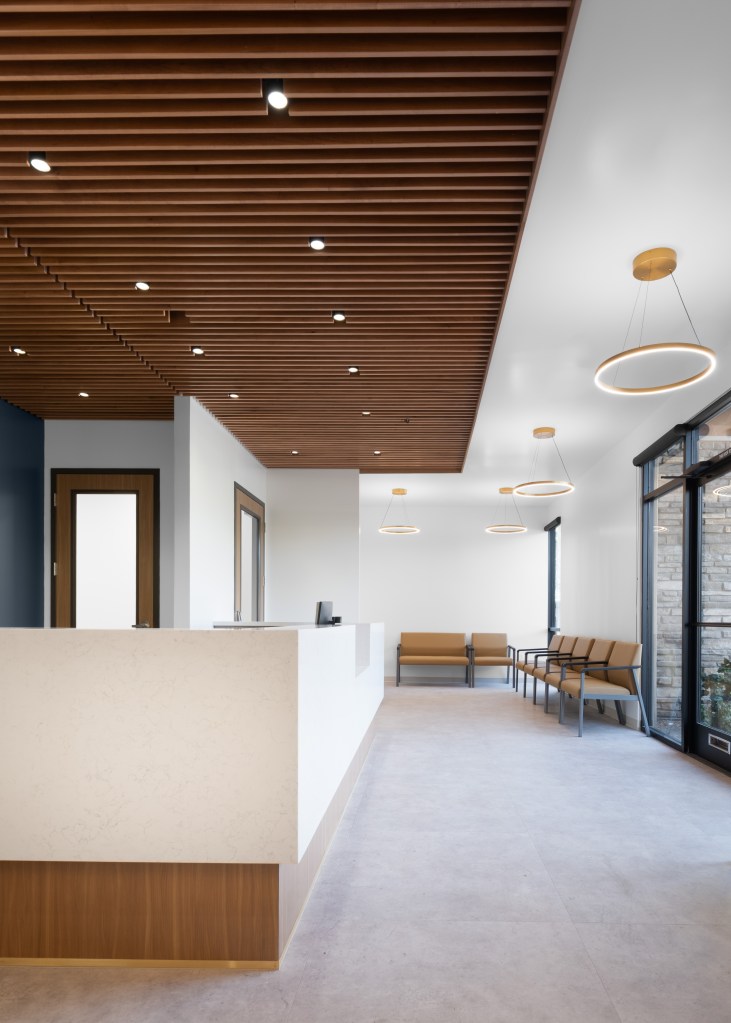
Those things are instantly legible to builders — but only if the photos allow them to be seen.
When images flatten scale or skip process, the work can look more ordinary than it is. Not because it is ordinary, but because the evidence of care never makes it into the frame.
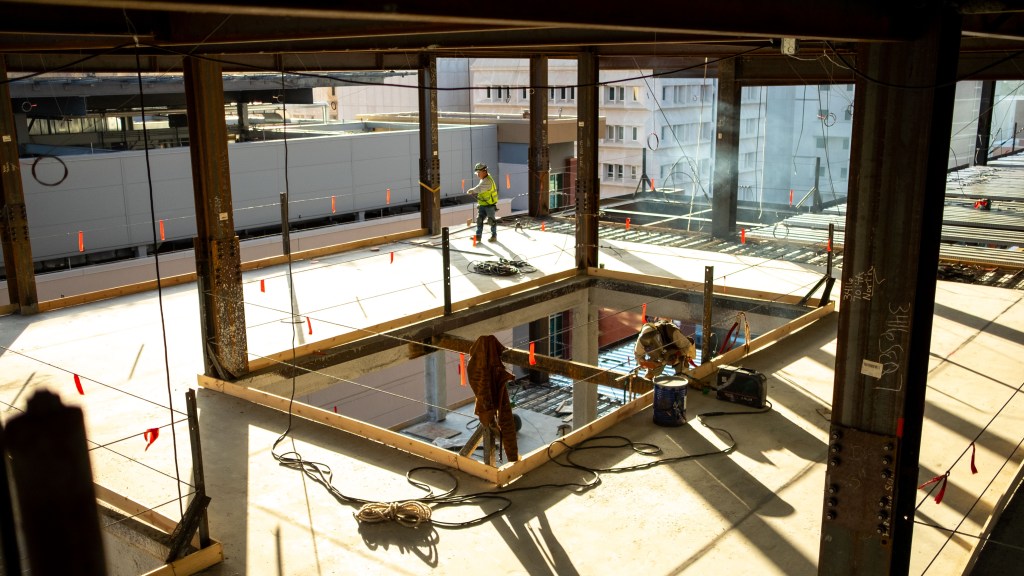
This isn’t a marketing problem. It’s a translation problem.
Good project photos don’t embellish. They make quality legible — showing order during messy phases, tight tolerances in tight spaces, and decisions made early instead of patched later.
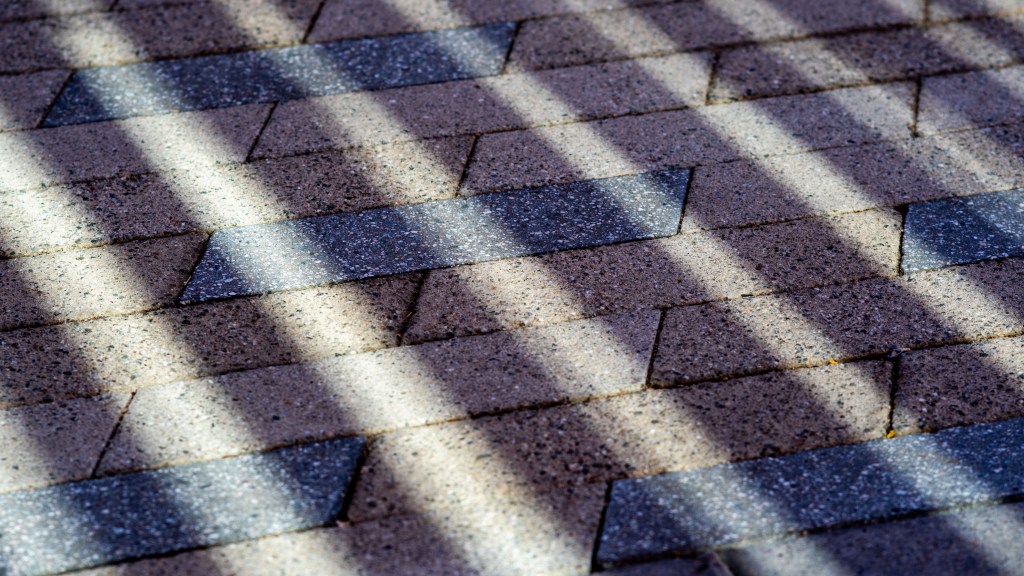
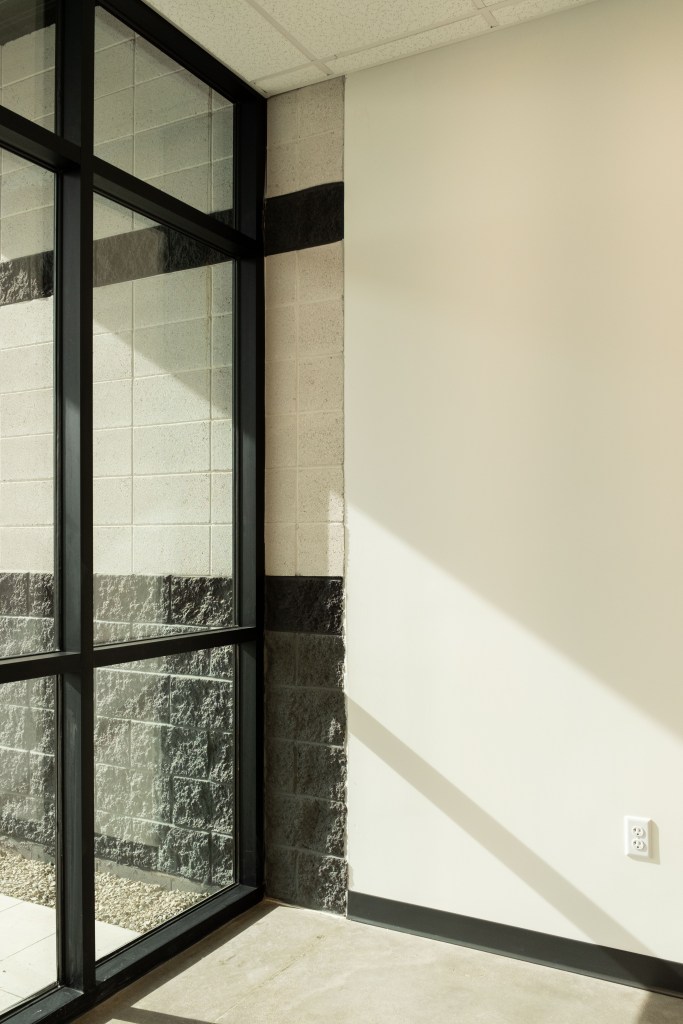
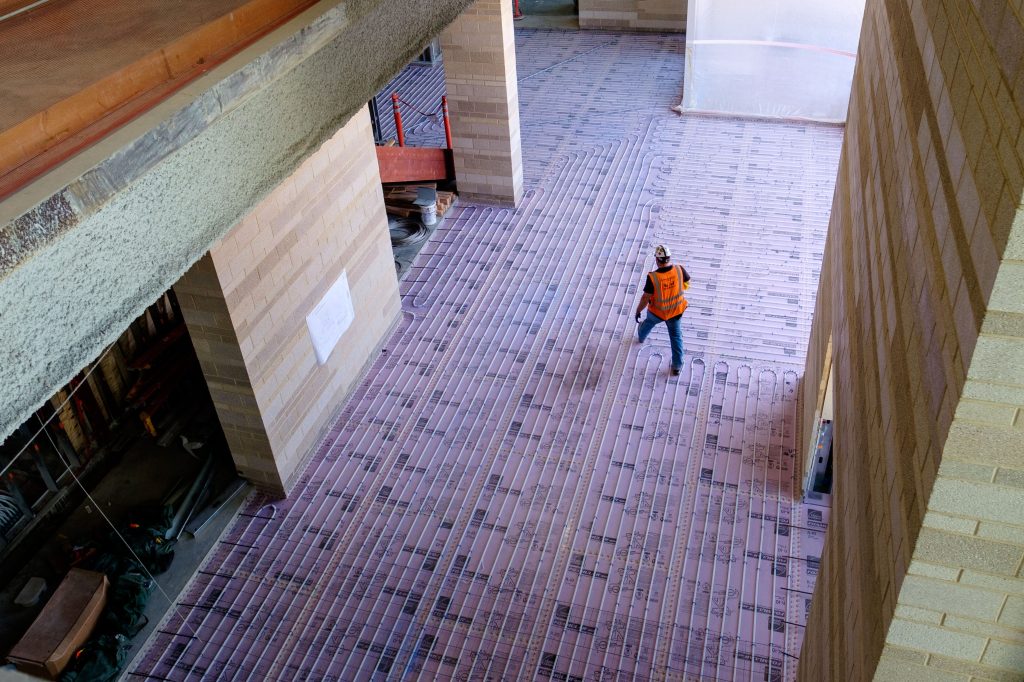
To the builder, that’s just how the job gets done.
To everyone else, that’s the proof.
Owners, partners, and collaborators weren’t on site. They form impressions from what they can see.
If photos show only that the project was finished, quality is taken on faith.
If they show how the work was handled, quality becomes a fact.
Good photos don’t claim quality on your behalf.
They simply make sure it doesn’t get taken for granted.
If your work speaks quietly, it’s time to let my photos turn up the volume.
Email me at taylorg@sitesnapsaz.com.
 Site Snaps AZ
Leave a comment