Photos often mislead when it comes to scale. A massive space can look Scale is one of those things you don’t notice until it’s gone. A structure might feel massive in person — full of weight and presence — but through the lens, it can flatten into a diagram. The challenge in photographing construction isn’t just documenting what’s there; it’s helping the viewer feel the space the way you did standing on site.
Include Something Human
A person, a lift, or even a jobsite cone gives the eye something familiar to measure against. Human context transforms an abstract form into a place you can imagine yourself standing inside. It also reminds the viewer that what they’re seeing was built by people, for people — not just rendered geometry.
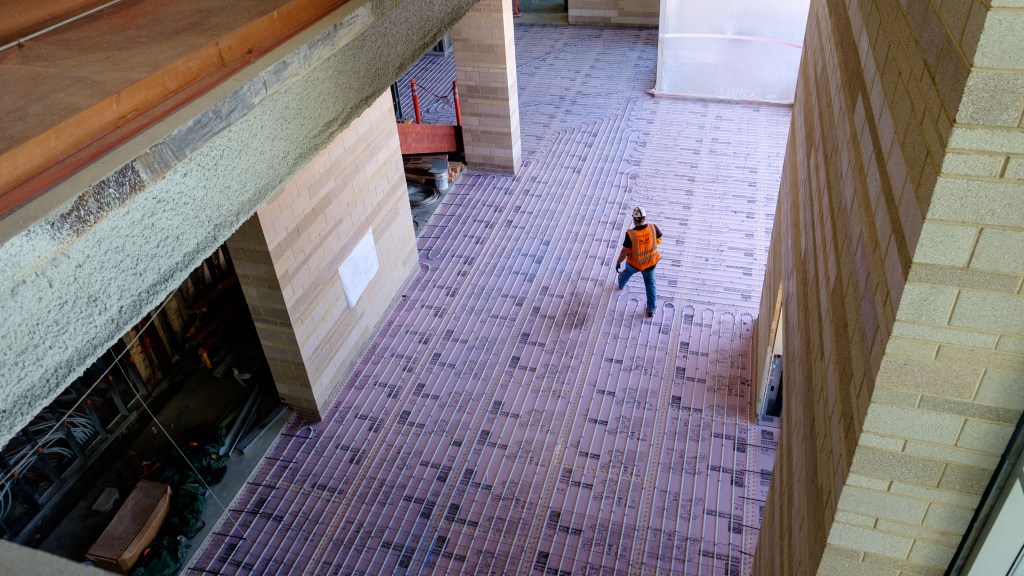
Let Scale Move
Movement tells its own story of size. The blur of a train against still architecture, or someone crossing a large floorplate, makes scale visible through time. It shows how a space functions — not just how it stands.
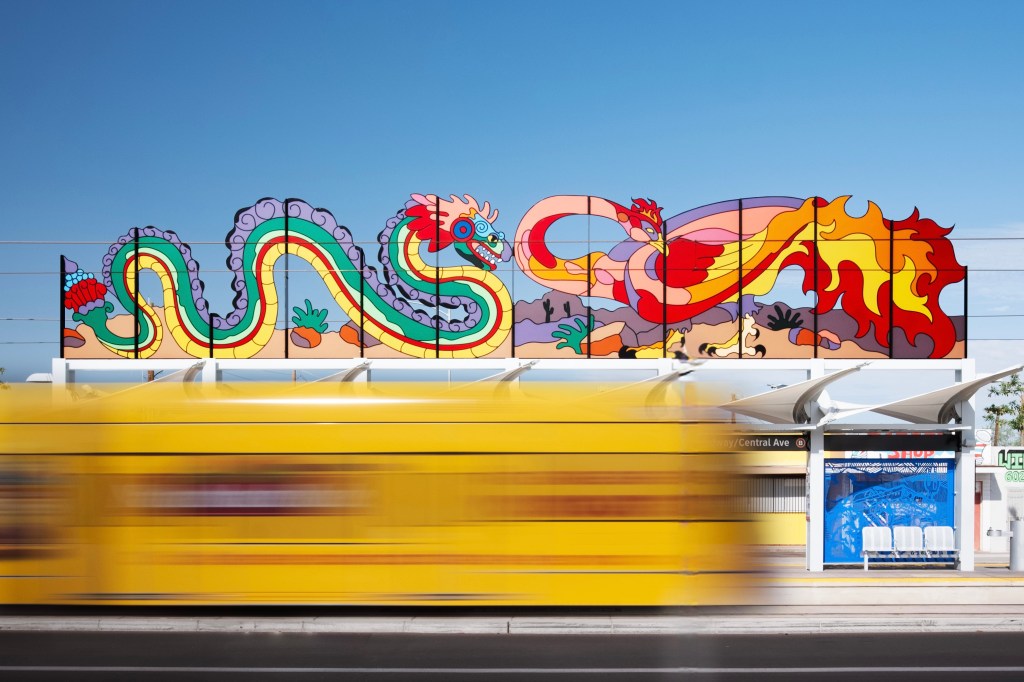
Design Holds Scale
Material rhythm, repetition, and proportion all cue our sense of dimension. When you photograph them intentionally — a run of stair flights, a repeating balcony line, a field of panels — you’re showing how design itself manages scale.
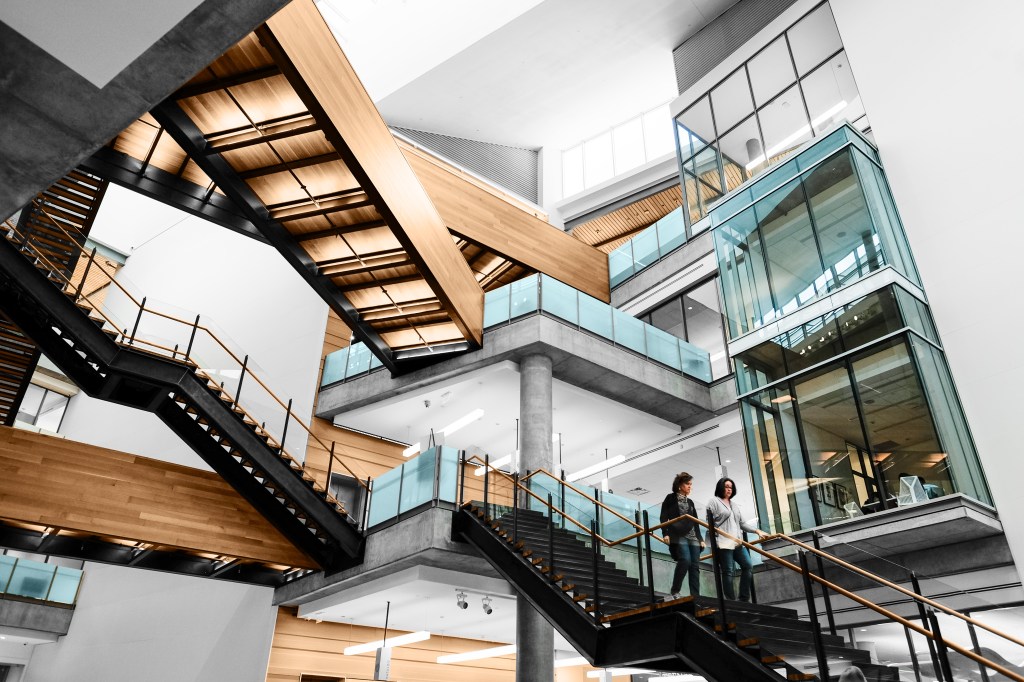
Good photography doesn’t make buildings look bigger or smaller; it helps people understand intent. Scale isn’t about measurement — it’s about presence. It’s the bridge between the built work and how it’s perceived.
👉 The way you show scale changes how your work is perceived. When it’s time to capture your projects with that same sense of presence, reach out: taylorg@sitesnapsaz.com
 Site Snaps AZ
Leave a comment